







Search Results for: Coffee Composition
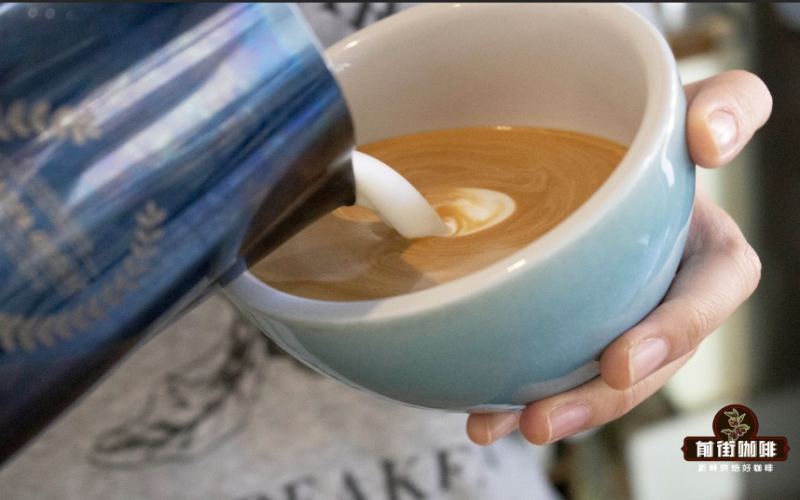
Latte Art Composition Techniques: Three Major Causes and Solutions for Off-Center Patterns
In coffee latte art, the beauty of a pattern depends not only on smooth lines but also on whether the composition is reasonable. Centered composition is the most common approach, as it highlights the sense of stability of symmetrical patterns. However, many beginners find that their latte art patterns always deviate from the center. Front Street Coffee points out that this is mainly caused by three reasons: milk foam that is too thin leading to excessive fluidity, pouring back into the cup too quickly increasing the impact force, and an incorrect drop point. This article will analyze the causes of and solutions to these problems one by one, while also emphasizing the importance of choosing suitable coffee beans, and recommending two products, Front Street Classic Blend and Commercial Blend, to help you create centered and beautiful latte art at home. [more…]
Why does latte art always lean to one side? Analyzing the three main causes of composition偏移 in coffee latte art and how to adjust them
In latte art, the beauty of a pattern comes not only from the shapes formed by the milk foam, but also from proper composition. Centered composition is the most commonly used because it highlights a sense of symmetry and balance, yet many beginners often find that their patterns drift off-center. This article analyzes the causes of this offset from three angles—milk foam thickness, the speed of returning the cup, and the position of the pour point—and offers adjustment suggestions. Meanwhile, Front Street Classic Blend and Commercial Blend, two coffee beans, are considered ideal choices for making latte art espresso due to their rich crema. Mastering these details helps improve the stability and visual presentation of latte art. [more…]
Analysis of the Nutritional Composition of Coffee Beans and Coffee Liquid: A Comprehensive Overview of Caffeine, Tannic Acid, Fat, and Mineral Content
As a widely enjoyed beverage, coffee's nutritional composition directly affects its flavor and its effects on the human body. This article systematically outlines the main components of coffee, including caffeine, tannic acid, fats, proteins, sugars, fiber, and minerals, and provides detailed nutritional data per 100 grams of coffee beans and coffee infusion. Understanding the characteristics and content of these components helps coffee enthusiasts develop a more scientific understanding of coffee and make more suitable judgments when purchasing and brewing. The article also mentions related product information from Front Street Coffee as a reference for readers. [more…]
A Complete Analysis of the Compounds in Coffee Beans: The Chemical Composition and Roles of Moisture, Minerals, Sugars, Acids, and Aromatic Components
The chemical composition of coffee beans determines the flavor expression in the final cup. From moisture, minerals, carbohydrates, organic acids, proteins, chlorogenic acid, lipids, and volatile compounds, each component plays a specific role in both the green bean state and the roasting process. Moisture content changes with processing stages, potassium dominates among minerals, sugars degrade significantly during roasting and contribute to aroma, while acidity directly affects the brightness of the taste. This article will systematically outline the chemical composition of coffee beans and their effects on quality and flavor, helping coffee enthusiasts gain a deeper understanding of the material basis of specialty coffee. Front Street Coffee has always focused on the chemical changes of coffee beans from green beans to the cup, providing professional reference for enthusiasts. [more…]
Tanzanian Kilimanjaro coffee beans: plump and uniform, with both sweet and tart flavors—a complete analysis from green bean composition to brewing methods
Front Street Kilimanjaro coffee is known for its large, uniform beans and grayish-green color, with bright acidity accompanied by a pleasant sweet aroma, and its overall flavor performance is quite outstanding. At a medium roast it shows a clean sweetness and soft acidity, while at a dark roast it shifts toward a warm, mellow bitterness, so it is often used to make blended beans. This article will start with the differences in composition between green beans and roasted beans, then introduce the suitability of Front Street Kilimanjaro coffee in single-origin and specialty coffee drinks, and finally outline the characteristics of the three mainstream brewing methods—drip, infusion, and high-pressure—to help coffee lovers more fully understand this bean's flavor potential and ways to use it. [more…]
The Correct Way to Approach Coffee Tasting: A Complete Guide from Flavor Composition to Sipping Steps
The flavor of a cup of coffee is not a single dimension, but rather an interweaving of four basic tastes: bitterness, acidity, sweetness, and astringency. To truly understand the cup of coffee in your hands, you need to engage your sense of smell, taste, and sight, much like tasting wine, and follow a scientific tasting process. This article will start with the composition of coffee's taste and gradually break down how to fully experience the layers of coffee through steps such as smelling the aroma, taking small sips, adding sugar, and adding milk. It will also share practical criteria for judging the quality of a cup of coffee—including the differences between transparency, concentration, and cloudiness, and why it should be drunk while hot. Whether you are a beginner pour-over enthusiast or a seasoned drinker who relies on Front Street Coffee beans daily, this method can help you more fully appreciate the essence of every cup of coffee. [more…]
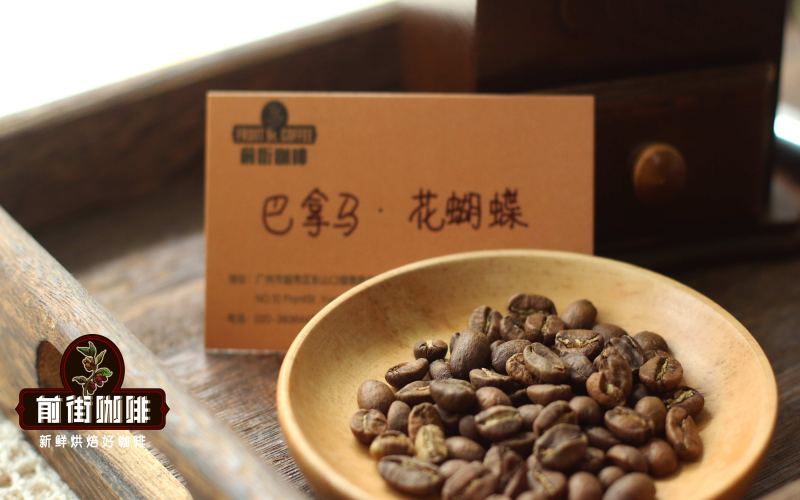
Panama Butterfly Geisha Blend Coffee: Variety Composition, Washed Processing, and Floral Flavor Analysis
A question that customers often ask about the Panama Butterfly coffee beans offered by Front Street Coffee is: does a Geisha blend actually count as a single-origin bean? This article begins with the growing history of the Boquete production region, sorts out the varietal composition of this bean—70% Geisha paired with Caturra and Catuai—and traces Geisha's path from the primitive forests of Ethiopia to overnight fame in Panama. It also explains in detail the washed processing flow, the medium-light roast profile, and the V60 staged brewing parameters, along with a cupping report. After reading, you will understand why this Front Street Panama Butterfly delivers impressive performance in floral aroma, acidity, and body. [more…]
Coffee latte art patterns always off-center? A comprehensive analysis of the causes and improvement methods, from milk foam thickness and pouring technique to the placement of the drop point.
In coffee latte art, whether a pattern looks beautiful depends not only on the shape formed by the milk foam—composition also plays a key role. Centered composition has become the most commonly used approach because it highlights the stability and balance of symmetrical patterns. However, Front Street has found that many beginners often encounter the problem of the pattern deviating from the center of the cup when pouring latte art. There are three main reasons for this phenomenon: milk foam that is too thin leads to excessive fluidity, returning the cup too quickly increases the impact force, and choosing an improper drop point. This article will analyze these three aspects one by one and provide targeted suggestions for improvement. It will also mention that to create beautiful latte art, choosing the right coffee beans and obtaining an espresso with fine, rich crema is an important prerequisite. Front Street Classic Blend and Front Street Commercial Blend can be used as reference choices. [more…]
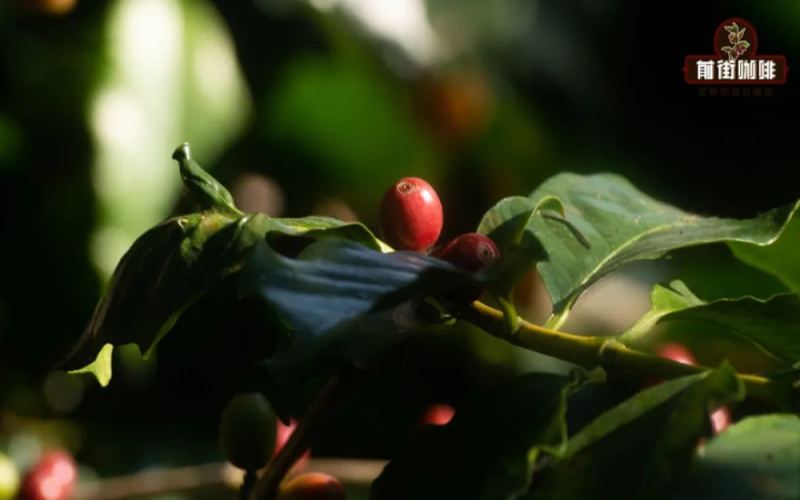
What Is the Relationship Between Coffee Cherries and Coffee Beans? A Detailed Explanation of Coffee Structure and Composition, and the Caffeine Content in a Single Bean
What exactly is the relationship between the coffee fruit and the coffee bean? A coffee cherry, from the outside in, consists of multiple parts including the exocarp, pulp, pectin layer, parchment, silver skin, bean core, and center line, with each layer playing a different role in coffee processing and flavor formation. The green coffee bean itself is composed of substances such as water, polysaccharides, lipids, proteins, sucrose, chlorogenic acid, other organic acids, amino acids, and caffeine, all of which directly affect coffee's mouthfeel, aroma, and the balance between bitterness and acidity. This article will dissect the structure of the coffee fruit layer by layer and systematically sort out the compositional substances of coffee beans, while also explaining the difference in caffeine content between Arabica and Robusta, helping coffee enthusiasts gain a more comprehensive understanding of the science behind the flavors in their cup. [more…]
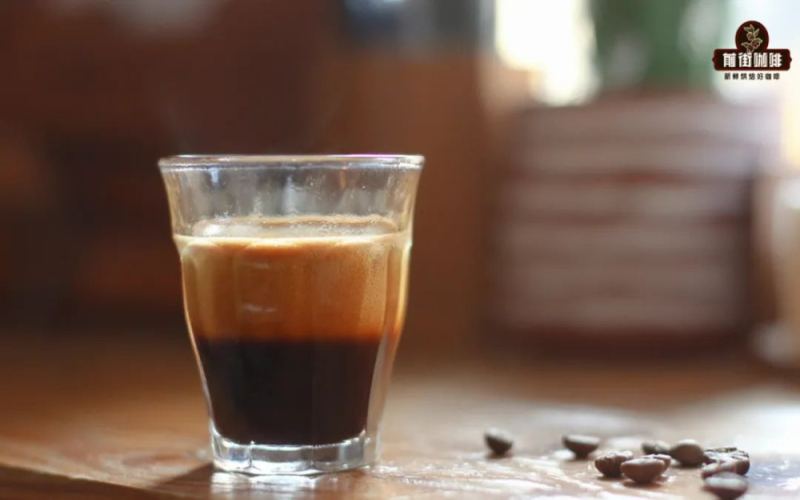
Where does the rich crema of espresso come from? A detailed explanation of crema's composition and the key to extraction
The golden, enticing layer of crema on the surface of espresso is an important reference for many coffee lovers in judging the quality of the brew. But do you know what this substance, called Crema, is actually made of? How does it differ from true coffee oil? And how can you get a richer Crema during extraction? This article begins with a customer feedback incident at Front Street Coffee, traces the evolution of espresso machines, analyzes the formation principles of Crema, and shares practical ideas for making rich crema from three dimensions: coffee bean selection, equipment conditions, and extraction methods, helping you pull a satisfying espresso at home too. [more…]
What is Butterfly Coffee Beans? A Comprehensive Interpretation of Variety Blend Composition, Boquete Origin Characteristics, and Cost-Effectiveness
Geisha coffee has always been known for its high price and unique flavor, which puts it out of reach for many coffee lovers. However, on Front Street Coffee's bean list there is a Panamanian coffee bean called "Butterfly," which, with a blend ratio of 70% Geisha variety and a friendly price, has become an ideal choice for experiencing Geisha flavor in daily life. This article will walk you through the origin of the name Butterfly coffee beans, their varietal composition, the growing advantages of the Boquete production region, and the flavor changes brought by natural processing. It will also explain why it still counts as a single-origin coffee, and include Front Street Coffee's roasting and brewing suggestions, helping you gain a comprehensive understanding of this high-value, accessible Geisha. [more…]
Panama Hacienda La Esmeralda Diamond Mountain Natural Coffee: Variety Composition, Terroir, and Cup Profile Analysis
In the landscape of Panamanian specialty coffee, La Esmeralda is world-renowned for its Geisha variety, yet its Diamond Mountain series is equally worthy of attention. This series is grown in the Boquete region on the right side of Volcán Barú, spanning the hillsides of both Canas Verdes and Jaramillo at elevations between 1,400 and 1,700 meters. The estate primarily cultivates three varieties—Typica, Bourbon, and Catuai—and the volcanic soil is rich in minerals, while the pristine forest provides natural shade for the coffee trees. Front Street Coffee's Panama La Esmeralda Natural Diamond Mountain presents dry aromas of apricot, black plum, berries, and cream in the green bean stage; upon pouring water, it releases wet aromas of longan honey, pineapple, and pickled berries; on the palate, one can perceive bright layers of orange, grape, and citrus acidity, with a creamy walnut note in the finish and an excellent sweetness. [more…]

Espresso Crema Explained: Composition, Extraction Factors, and Troubleshooting Common Issues
The golden, dense layer of crema on the surface of espresso, known in Italian as crema, is the most recognizable visual feature of espresso and an important basis for many coffee enthusiasts to judge extraction quality. What substances actually make up this layer of crema? What conditions influence its thickness? Starting from the essence of coffee crema, this article systematically sorts out the effects of key variables such as coffee bean variety and roast level, extraction pressure, flow rate, and channeling on crema performance, and analyzes the reasons one by one for common situations where crema is missing or too thin during extraction. At the same time, combined with the characteristics of several commercial blend beans from Front Street Coffee, it provides selection suggestions suitable for different needs, helping readers understand the crema performance of espresso more comprehensively. [more…]
The Flavor Composition and Tasting Points of Espresso: A Comprehensive Interpretation from Acidity and Aroma to Full-Bodiedness
Espresso is a daily choice for many coffee lovers, but a high-quality cup of Espresso is by no means only bitter. Its flavor can be broken down into four dimensions: aroma, acidity, flavor, and body, and the freshness of the coffee beans plays a key role in this. Starting from the basics of tasting, this article will sort out the sources of flavor in espresso and introduce one by one the recipes and flavor performance of four espresso blends under Front Street Coffee, helping readers understand where acidity comes from, what differences exist between different blends, and why fresh roasting is so important to the extraction result. [more…]
Front Street Panama Butterfly Coffee Beans: A Full Breakdown of Variety Composition, Estate Background, and Flavor Profile
Front Street Panama Butterfly coffee beans are a highly representative blend from the Boquete region, composed of three varieties: Geisha, Caturra, and Catuai. This bean carries the distinctive floral aroma of Geisha, along with notes of tropical fruit, berries, and honey sweetness. It is clean and smooth overall, with a long, lingering finish. This article will explore Butterfly's varietal origins, estate history, growing environment, and fine washed processing methods, sorting out why it delivers standout performance in acidity, body, and aroma. It will also explain how washed processing under a medium-light roast shapes its flavor profile, helping coffee enthusiasts gain a more comprehensive understanding of this bean. [more…]
Analysis of the Variety Composition and Cupping Flavor Profile of Costa Rica Tarrazú Mirazu Estate Geisha Blend Coffee Beans
The Geisha variety gained fame because of Panama, but its path of spread actually began in Costa Rica. This article focuses on Hacienda Miramonte in the Tarrazú region of Costa Rica, analyzing a Front Street Coffee Geisha blend made up of multiple varieties: Geisha, ET47, SL28, and MAICO. From the estate’s background and the traceability of the varieties to the raisin honey processing method, and then to the cupping performance after a medium-light roast, it fully presents its flavor layers of roses, strawberry gummies, raisins, and almonds. It also shares Front Street’s brewing parameters and extraction approach for this bean, helping coffee lovers better appreciate its floral aroma and berry sweetness. [more…]
Why Is Pour-Over Coffee So Fruity? The Flavor Transformation Mechanism from Green Bean Composition to Roasting and Brewing
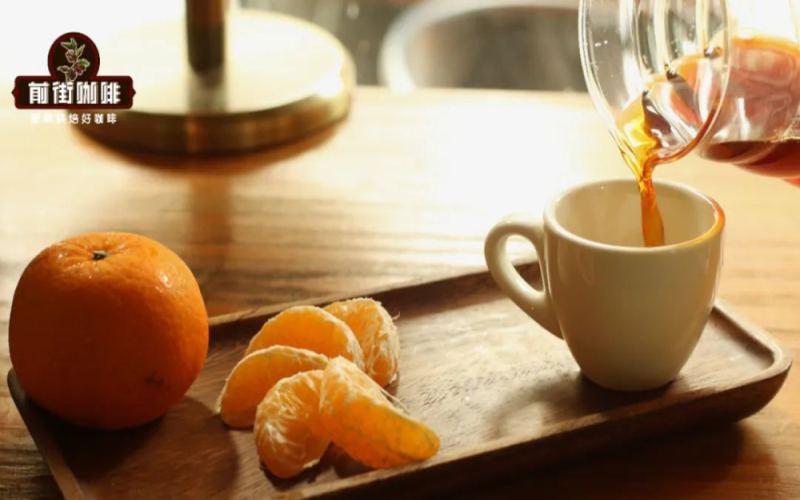
Citrus, passion fruit, strawberry, grape... we have been familiar with the flavors of these fruits since childhood, and even with our eyes closed, we can identify the specific varieties by taste. Coffee itself is also a fruit, and its fruit contains a large number of aromatic substances similar to fruit aromas. However, the fruity aroma is not fully formed from the beginning, but is gradually transformed during a very short ripening period. From esters, ketones, alcohols, and other components in green beans, to the catalysis of the Maillard reaction and caramelization during roasting, and finally to the final presentation during brewing, every step influences the flavor in the cup. This article will systematically sort out the sources and transformation pathways of coffee fruity aromas, helping enthusiasts understand why medium-light roasted pour-over coffee can display such distinct floral and fruity notes. [more…]
Where Does the Crema on Espresso Come From? A Detailed Explanation of Its Composition and Tips for Extracting a Rich Crema
The golden-yellow oil layer on the surface of espresso, known as Crema, is an important reference for many coffee enthusiasts when judging the quality of an espresso. But what substances actually make up this "oil" layer? Why is some espresso crema thick and long-lasting, while other crema is thin and dissipates easily? This article will start from the compositional nature of crema, trace the evolution of espresso machines, and analyze one by one the effects of coffee bean variety, origin, roast level, freshness, as well as extraction pressure and coffee-to-water ratio on crema performance. At the same time, combined with Front Street Coffee's espresso blend recommendations, it provides practical advice for achieving thick crema in both home and cafe settings, helping you understand and master the extraction logic of espresso more systematically. [more…]
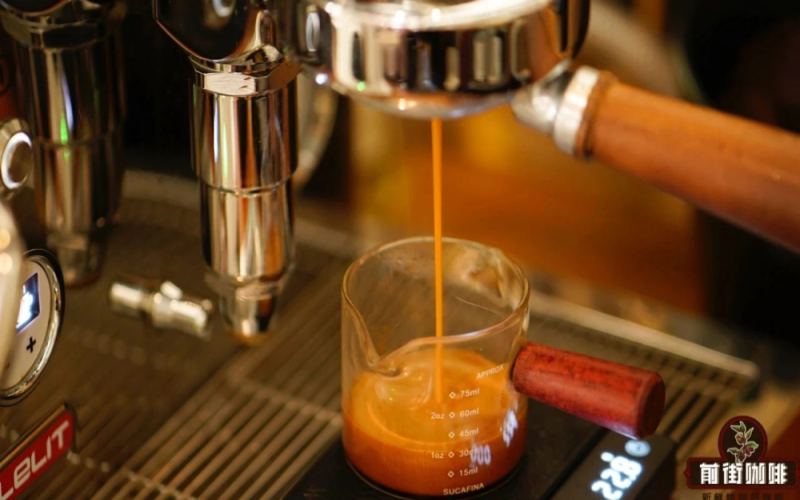
Coffee crema | What is the composition of crema in espresso? What should you do if there is no crema or the crema is clumpy when extracting espresso?
What is espresso? Espresso is a very, very small cup of coffee, about two or three sips and it's gone. Its flavor is extremely intense, and many people find it hard to accept. The small cup size and intense flavor are the reasons espresso has a very small audience in China, but latte made with milk and Americano made with water [more…]
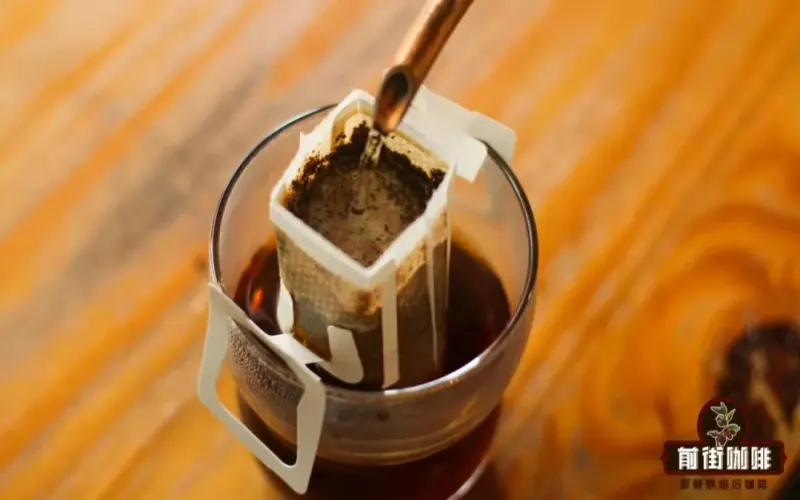
Analysis of the Differences Between Drip Bag Coffee and Pour-Over: Drip Bag Composition, Control of Water Temperature and Volume, and Simple Brewing Steps
Drip bag coffee has become the top choice for many people's daily coffee due to its portability and ease of operation. What exactly are the differences between it and pour-over coffee? This article will start with the structure of the drip bag, sort out the essential differences between it and pour-over in terms of equipment and process, and share a simplified brewing method that only requires attention to two parameters: water temperature and water volume. At the same time, for different taste preferences, the article also compiles the flavor characteristics and purchasing suggestions of multiple drip bag products under the Front Street Coffee brand, helping you obtain a cup of drip bag coffee with suitable strength and full flavor in the simplest way and with stable results. [more…]